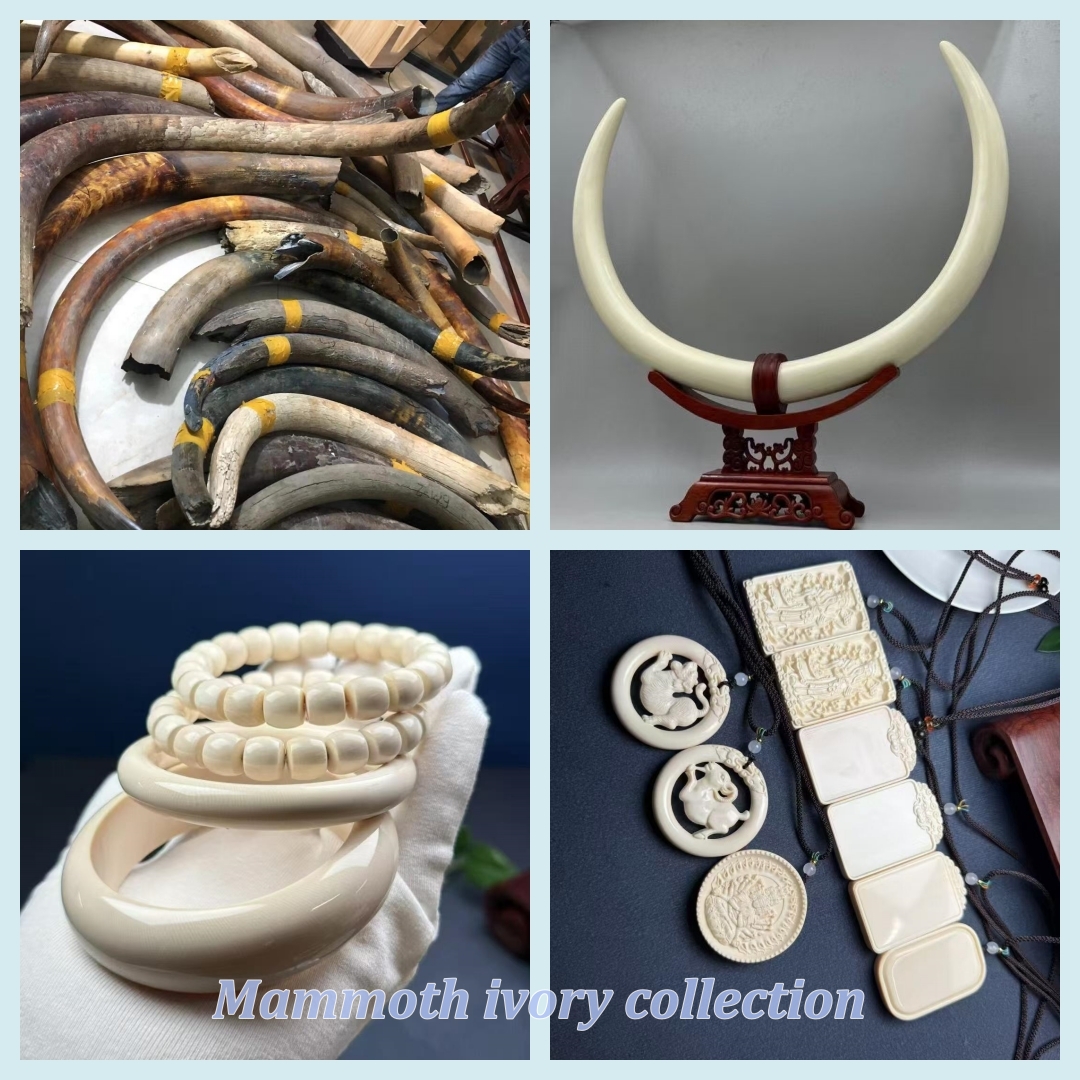
Mammoth ivory jewelry is prized not only for its rare beauty, but also for the craftsmanship and ethical practices behind every piece. Turning a tusk preserved for thousands of years into wearable art requires skill, patience, and respect for the material.
Here’s how the journey unfolds.
1. Ethical Excavation From Permafrost
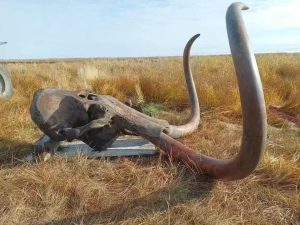
Mammoth ivory is recovered from naturally thawing permafrost in Siberia, Alaska, and the Arctic regions.
The process:
- Does not harm any living species
- Follows strict legal regulations
- Helps preserve archaeological context
Only licensed excavators are allowed to recover and sell tusk materials.
2. Careful Selection & Grading
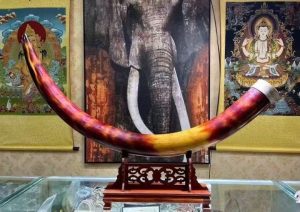
Each tusk is inspected for:
- Density
- Color
- Integrity
- Carbonization
- Mineral patterns
Only the best sections are used for jewelry.
3. Precision Cutting & Shaping
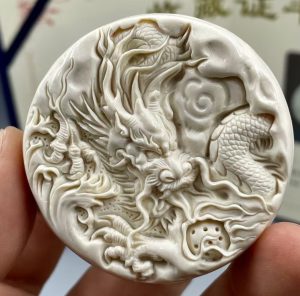
Craftsmen cut the ivory into workable slabs, then shape it into pendants, beads, bracelets, or carving blocks.
The direction of the grain is carefully considered to ensure strength and beauty.
4. Hand Polishing for Natural Shine
Ivory is polished slowly using fine abrasives to bring out:
- Smooth texture
- Warm glow
- Natural grain
No heavy chemical treatments are used.
5. Final Mounting Into Jewelry
Once shaped and polished, the piece is set into:
- Sterling silver
- Gold
- Natural wood
- Other premium materials
Each piece is unique — no two are alike.
Conclusion
Mammoth ivory jewelry is the result of both natural history and human artistry. Ethical sourcing and skilled craftsmanship ensure that every piece carries beauty, meaning, and cultural value.