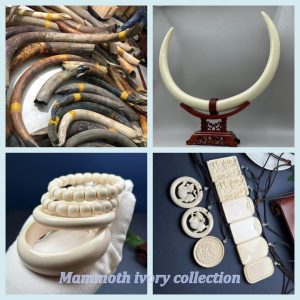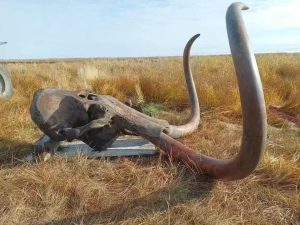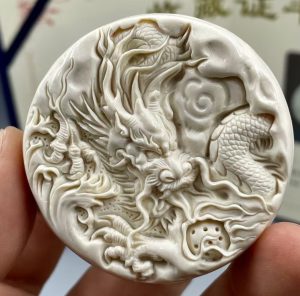
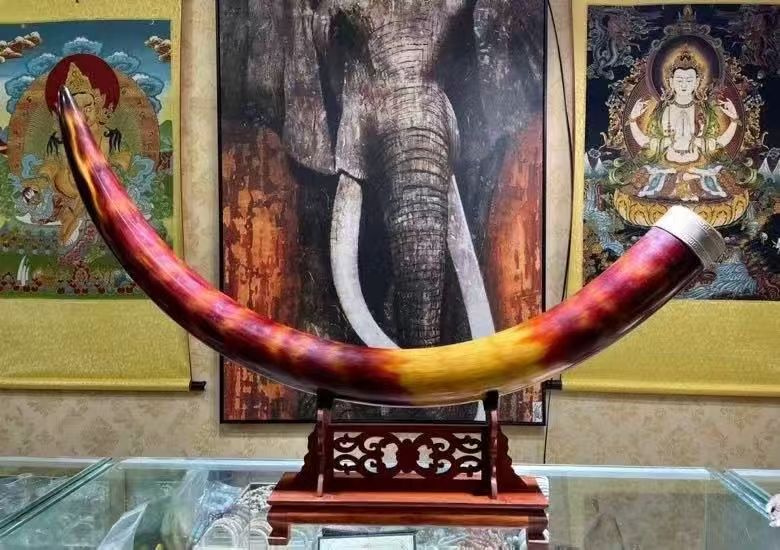
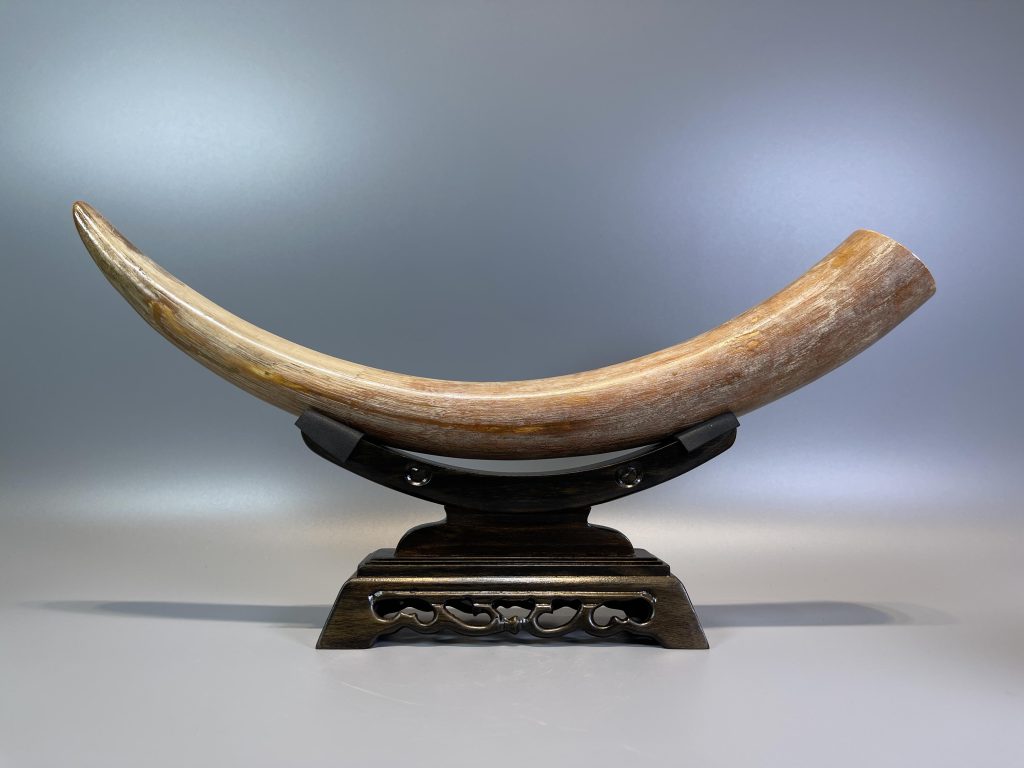
Buying mammoth ivory is exciting — it’s rare, beautiful, and carries thousands of years of natural history. But the market can be confusing, especially for new buyers who want to make sure they’re purchasing authentic, legally sourced material.
This guide will walk you through the key features of real mammoth ivory and the most reliable ways to avoid fakes.
1. Look for the Natural Schreger Lines (Cross-Hatching Pattern)
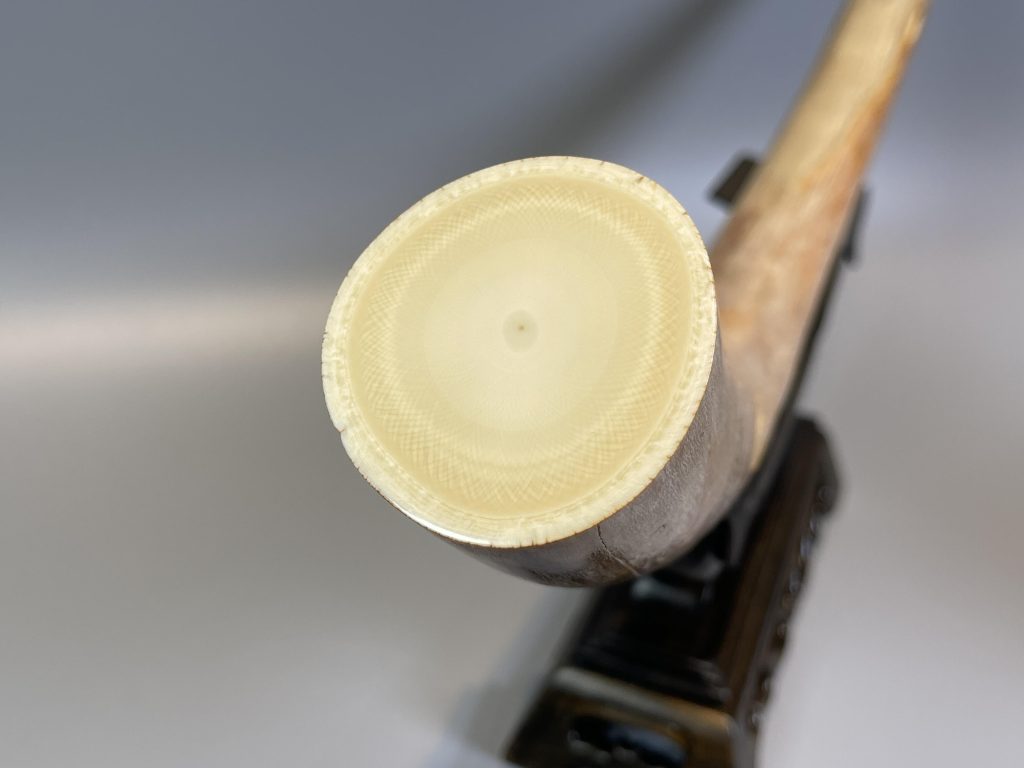
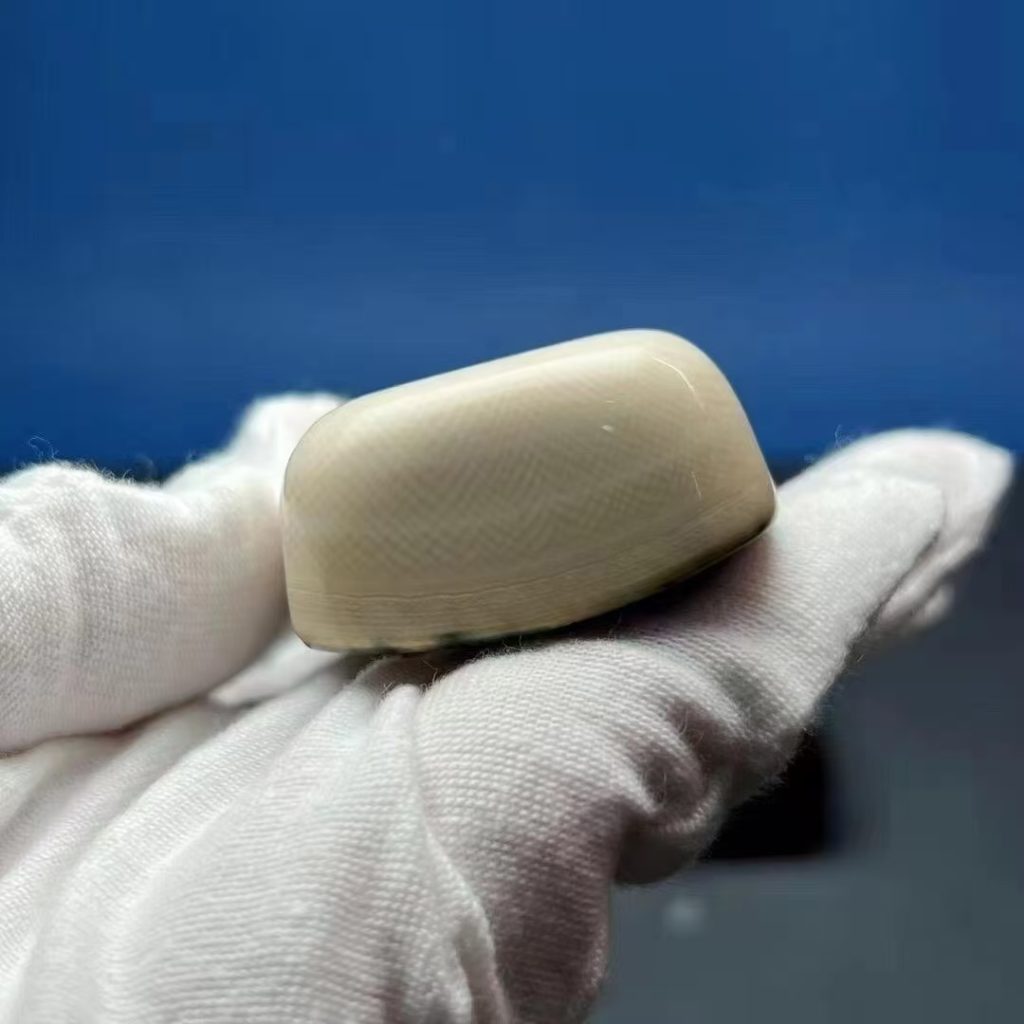

One of the easiest ways to identify genuine mammoth ivory is by examining the Schreger lines — intersecting arcs that form a natural cross-hatch pattern.
- Mammoth ivory lines form acute angles
- Modern elephant ivory forms obtuse angles
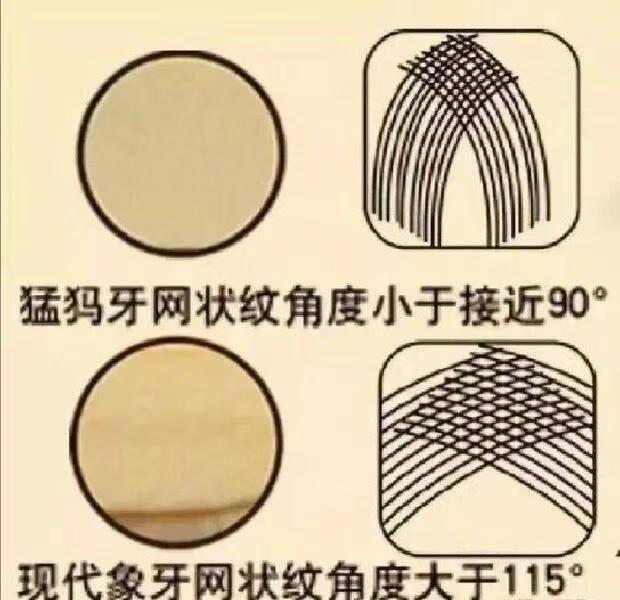
This pattern cannot be replicated perfectly in resin or synthetic materials.
2. Natural Aging: Color Gradients & Mineral Tones
Because mammoth ivory has been preserved underground for thousands of years, it often shows:
- Honey-brown, cream, or caramel tones
- Mineral streaks from soil deposits
- Slight irregularities in shading
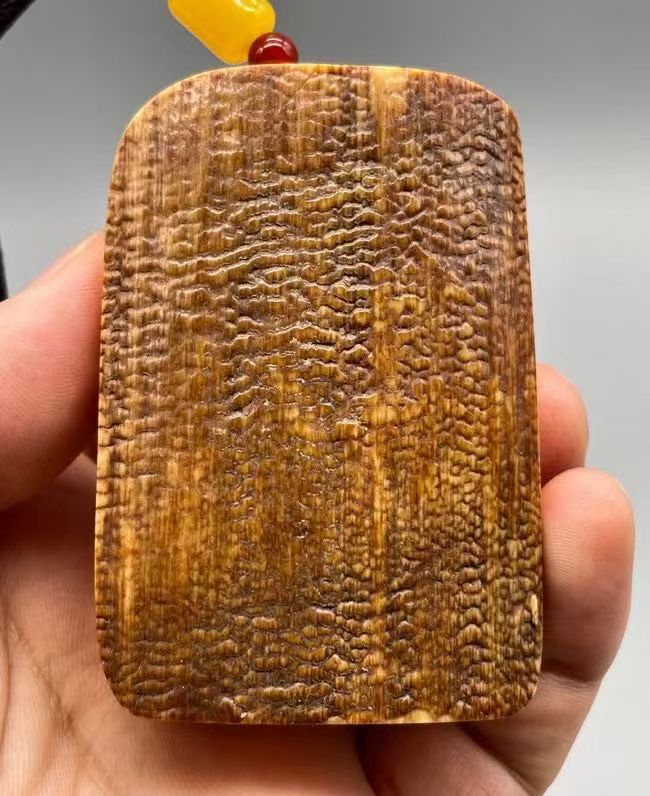
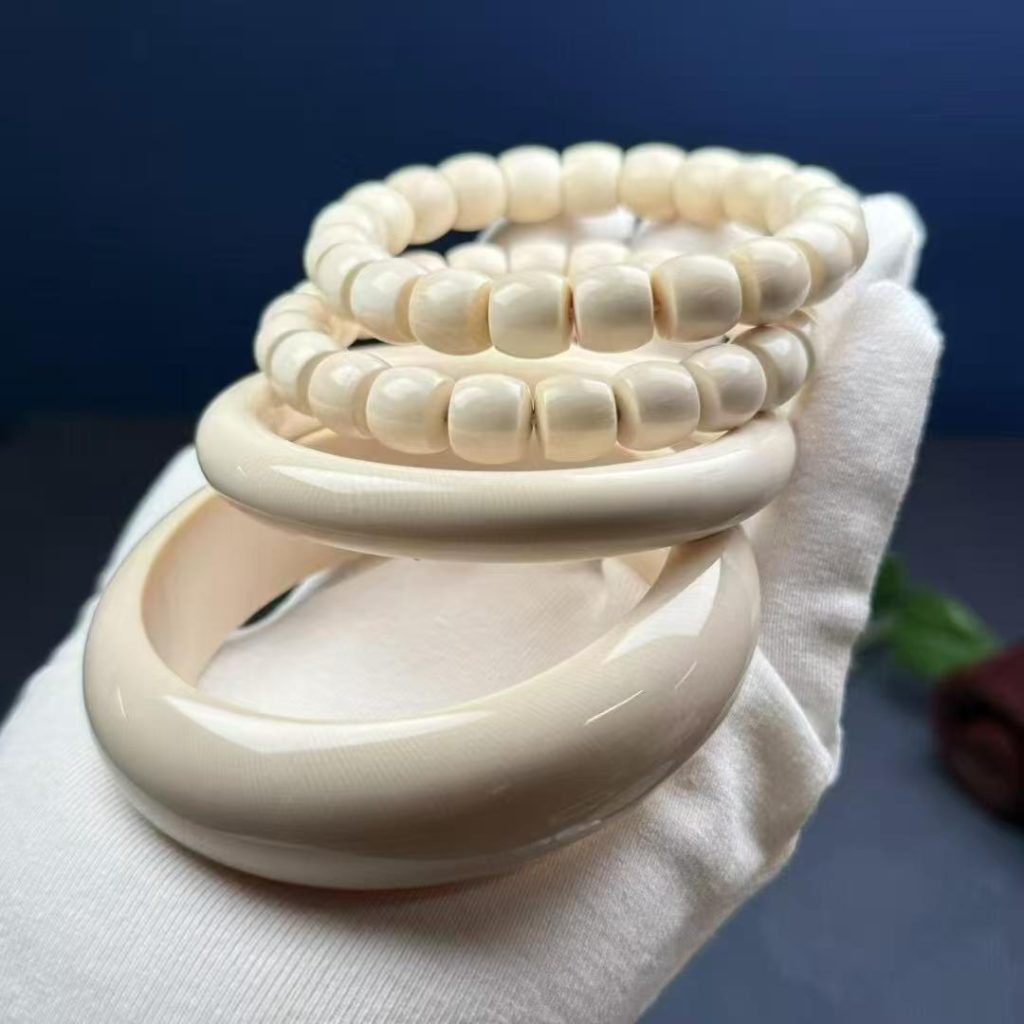
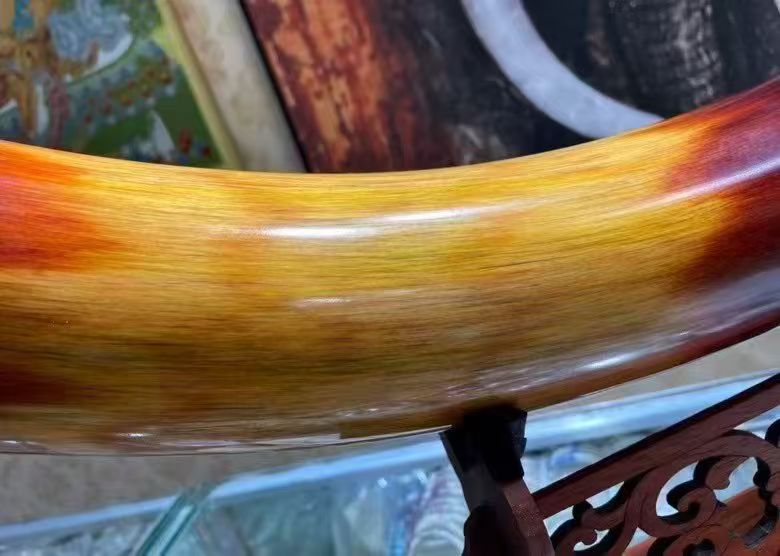
These are normal and increase collectible value.
3. Weight & Feel
Real mammoth ivory feels:
- Dense and heavy for its size
- Not “plastic” or hollow
Synthetic materials often feel too light or too perfect.
4. Texture Under Light
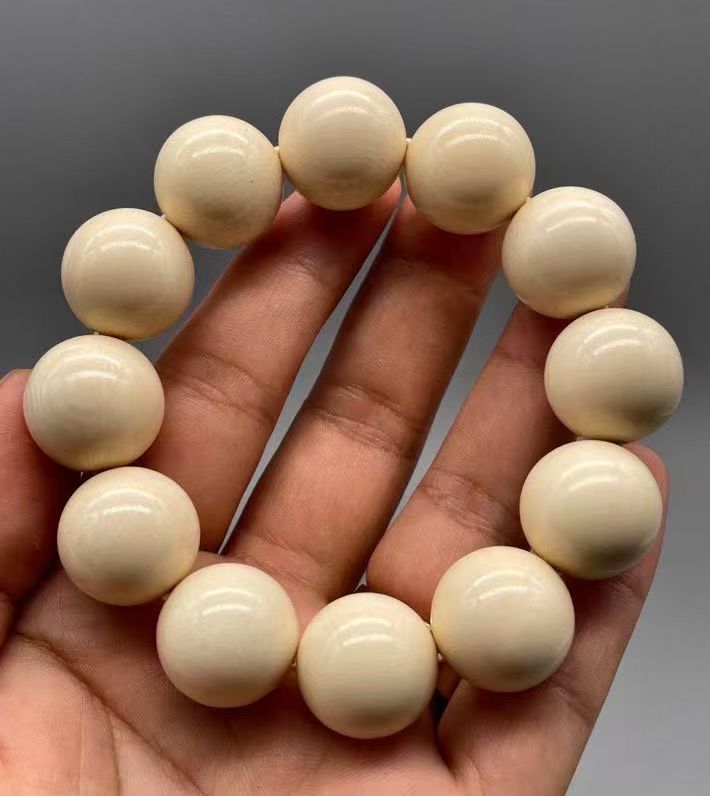
Under bright light, real mammoth ivory has a soft, fibrous glow — sometimes compared to natural bone.
Resin, plastic, or composite materials appear too shiny or glass-like.
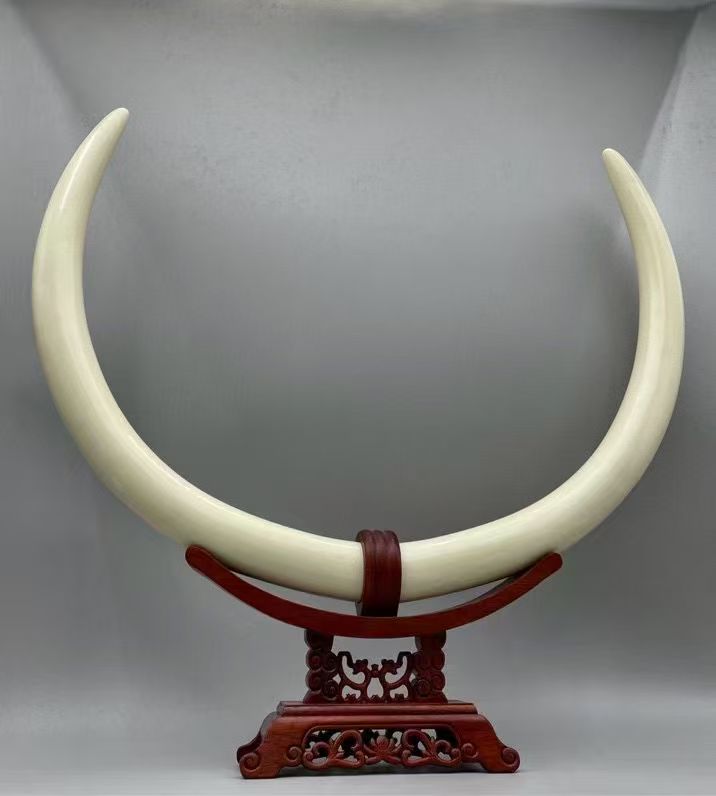
5. Beware of Low Prices & Unrealistic Uniformity
If something looks unusually cheap, flawless, or mass-produced, it is likely not mammoth ivory.
Real mammoth ivory is rare and increasingly scarce, which means the market value is stable and cannot be extremely low.
6. Buy From Trusted Sellers Only
Working with reputable suppliers ensures:
- Verified legal sourcing
- Ethical excavation
- Quality grading
- Accurate representation of the material
Professional sellers will never hesitate to answer questions or provide close-up photos.
Conclusion
Understanding these identification tips will help you make confident, informed decisions when purchasing mammoth ivory. As availability continues to shrink over time, knowing how to authenticate genuine pieces is more important than ever.